Australia’s business landscape is facing significant changes at the start of 2026, with major developments hitting both the retail sector and everyday consumers. From iconic fashion brands pausing operations to powerful court rulings on unfair lending, the environment for Australian businesses and customers alike is shifting rapidly.
📉 Retail Scene Gets a Shake-Up with Major Brand Shutdowns
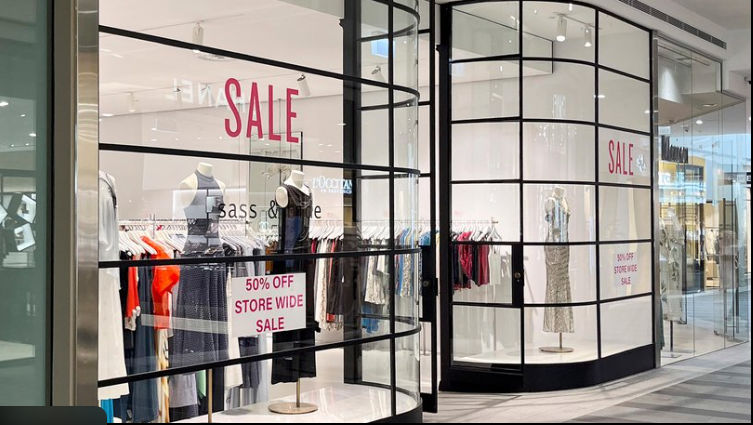
Recently, iconic Australian fashion label Sass & Bide announced it will close multiple physical stores and pause its online shop in late January. Founded in 1999 and owned by Myer Group, the brand said this is part of a wider strategy to re-imagine its future and appeal to new generations.
Industry analysts note that this move follows broader challenges in the retail sector, where changing customer spending patterns and rising costs are squeezing profitability — especially for established brick-and-mortar brands.
⚖️ Federal Court Ruling Hits Pawnbroking Industry
In a landmark decision that could send shockwaves through Australia’s credit sector, the Federal Court ruled that a Melbourne pawnbroking company charged unlawful interest rates of about 480% per year.
This case highlighted serious regulatory gaps in the pawnbroking industry and left vulnerable consumers in doubt over their rights. Legal experts are now calling on federal and state governments to consider stricter licensing, mandatory interest rate caps, and better access to dispute resolution schemes.
Consumer advocacy groups say the decision sets an important precedent — one that could empower customers and tighten oversight of high-cost lending services.
📊 Rising Business Insolvencies Spark Economic Concern
Recent data shows a worrying level of business insolvencies in New South Wales, with over 6,200 companies collapsing in 2025 alone.
Construction and hospitality businesses faced the toughest conditions, but retail and manufacturing also recorded significant closures. Business leaders point to higher operating costs, labour shortages, and cashflow pressures as key contributors to the wave of insolvencies.
Government officials maintain that support measures — such as tax relief and improved access to skilled workers — are helping stabilise the situation even as financial stress persists.
🧭 What This Means for Australian Businesses
Here’s how these developments are impacting the business ecosystem:
⭐ For Retailers
- Strategic reinventions are becoming common as brands like Sass & Bide reshape their identities for the digital era.
- Smaller independent shops must adapt to online competition and changing consumer preferences.
📍 For Consumers
- The pawnbroking ruling signals stronger consumer protections ahead.
- Better enforcement of fair interest rates could reduce exploitation in fringe financial services.
🏢 For Small and Mid-Size Businesses
- Insolvency figures underscore ongoing cost and cashflow challenges.
- Many owners are reevaluating business models to survive turbulent economic conditions.
🧠 Expert Insight: Staying Competitive in 2026
Market analysts suggest three key strategies for businesses navigating the current climate:
- Embrace digital transformation and online sales channels.
- Strengthen financial risk management, especially regarding credit and debt.
- Focus on customer value and engagement, which remain central to growth.
Investing in innovation and customer experiences is increasingly seen as a way to differentiate and thrive.

📌 Conclusion
Australia’s business world is in motion, with retail restructuring, legal rulings on consumer rights, and insolvency pressures dominating headlines. These trends reflect broader economic transitions — and while challenges persist, opportunities for reinvention and reform could reshape the market in the year ahead.
❓FAQs: Australian Business Trends
Q1: Why are Australian retailers shutting stores?
Retail closures like Sass & Bide’s reflect changing consumer habits, cost pressures, and strategic brand pivots to focus more on online and future-fit operations.
Q2: What did the Federal Court rule in the pawnbroking case?
The court found a company charged unlawful interest rates of around 480%, sparking calls for stronger regulation in financial services.
Q3: Which business sectors see the most insolvencies?
Data shows construction, hospitality, retail, and manufacturing as some of the hardest-hit sectors in recent business collapses.
Q4: How are consumers protected from high-cost lenders?
Consumer rights advocates are pushing for interest-rate caps, licensing requirements, and access to dispute systems to protect vulnerable borrowers.
Q5: Are there opportunities in the current business environment?
Yes — digital transformation, new market niches, and improved customer experiences offer growth potential despite economic pressures.
Q6: What support is available for struggling businesses?
Government relief programs, small business tax incentives, and workforce support measures aim to ease financial strain and enhance resilience.