
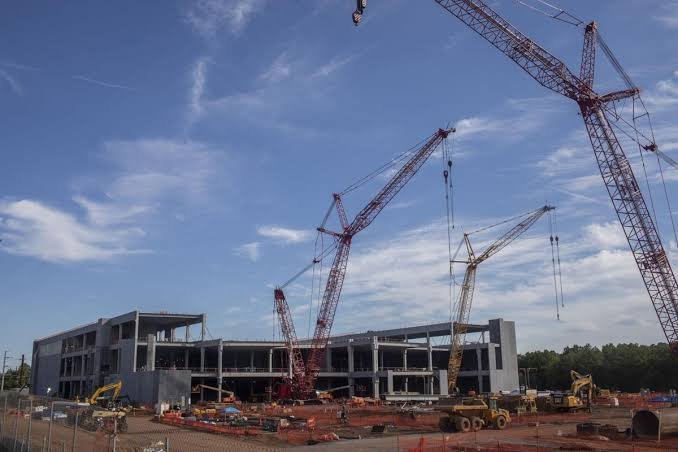
Construction projects in Manassas can range from residential site preparation and utility improvements to roadwork, commercial development, and larger infrastructure projects. Although every job has different requirements, they all depend on equipment that can perform efficiently under changing site conditions. Selecting machinery based on the actual work involved can help contractors maintain productivity while making better use of labor, fuel, and project time.
Heavy equipment is more than a way to complete demanding physical tasks. The right machines can influence excavation speed, material movement, site organization, operator efficiency, and the overall flow of a project. For contractors working locally, access to a Volvo equipment dealer in Manassas can also make it easier to explore machinery suited to specific applications while gaining access to parts, service, rental, and equipment support when required.
Matching Equipment To The Work
One of the most important decisions happens before a machine arrives at the job site. Contractors need to consider what the equipment will actually be expected to do.
Excavators are commonly used for digging foundations, trenching, grading, demolition, and utility work. Wheel loaders can handle aggregate, soil, debris, and other bulk materials. Articulated haulers may be useful when large quantities of material must be transported across uneven terrain.
Machine size matters as well. A large excavator may offer greater digging power, but it may not be practical on a confined commercial or residential site. Compact equipment can provide better maneuverability where buildings, traffic, utilities, or neighboring properties limit available working space.
Choosing according to the project rather than simply selecting the largest available machine can improve efficiency considerably.
Preparing For Manassas Job Site Conditions
Local construction sites are rarely identical. Some projects begin on relatively open land, while others take place in developed areas where access is limited. Ground conditions can also change as excavation progresses or after periods of wet weather.
Equipment should therefore be selected with terrain, access points, working space, hauling distances, and material types in mind. Contractors should also consider how machines will move around the site without interfering with other crews.
Good equipment planning creates a smoother workflow. For example, an excavator may load material while a loader manages stockpiles and a hauler moves material to another part of the project. When machines are properly matched, crews spend less time waiting for another stage of work to catch up.
Balancing Ownership And Rental
Not every piece of construction equipment needs to become a permanent fleet asset. Contractors can evaluate expected machine usage before deciding whether purchasing or renting makes more sense.
Frequently used equipment may justify ownership because it can remain available for multiple projects. Specialized machinery required only occasionally may be better suited to rental. Renting can also help contractors handle temporary increases in workload without committing capital to equipment that may sit unused afterward.
This flexibility is particularly valuable when project requirements change throughout the year. A contractor might need additional excavation capacity for one job and more material handling equipment for another.
Keeping Equipment Productive
Machine selection is only part of the equation. Equipment must remain dependable throughout the project.
Routine inspections can identify issues involving hydraulic systems, tires, tracks, fluids, filters, attachments, and other components before they develop into larger problems. Operators can contribute by reporting unusual noises, performance changes, leaks, or warning indicators as soon as they notice them.
Preventive maintenance is especially important when a project follows a tight schedule. An unexpected breakdown can affect more than one machine. If an excavator stops working, trucks may be left waiting, labor may be underused, and subsequent tasks may have to be rescheduled.
Reliable access to replacement parts and qualified service support can therefore be just as important as access to the equipment itself.
Considering Operator Comfort And Control
Productivity is closely connected to the person operating the machine. Construction equipment that offers good visibility, accessible controls, a comfortable cab, and appropriate operating features can help operators work more consistently during long shifts.
Visibility is particularly important on active sites where workers, vehicles, materials, and multiple machines may occupy the same area. Contractors should consider equipment features alongside site procedures, operator training, and communication practices when planning daily operations.
Attachments can further increase versatility. Depending on the machine and application, buckets, breakers, grapples, forks, and other attachments may allow one piece of equipment to perform several different tasks.
Building A More Flexible Equipment Strategy
Construction workloads rarely remain predictable. Project timelines change, weather creates delays, machines require maintenance, and new contracts may introduce completely different equipment requirements.
A flexible fleet strategy helps contractors respond to these changes without disrupting ongoing work. Combining owned machinery with rentals, planning maintenance in advance, and maintaining access to parts and technical support can reduce the operational pressure caused by unexpected circumstances.
For construction companies working throughout Manassas, equipment decisions should ultimately support the entire project rather than an individual task. Machines that are appropriately sized, properly maintained, and suited to site conditions can help crews move materials efficiently, complete excavation accurately, and maintain a consistent workflow.
The right heavy equipment does not simply provide power. It becomes part of a coordinated construction process where machinery, operators, maintenance, and project planning work together to keep Manassas job sites moving toward completion.