
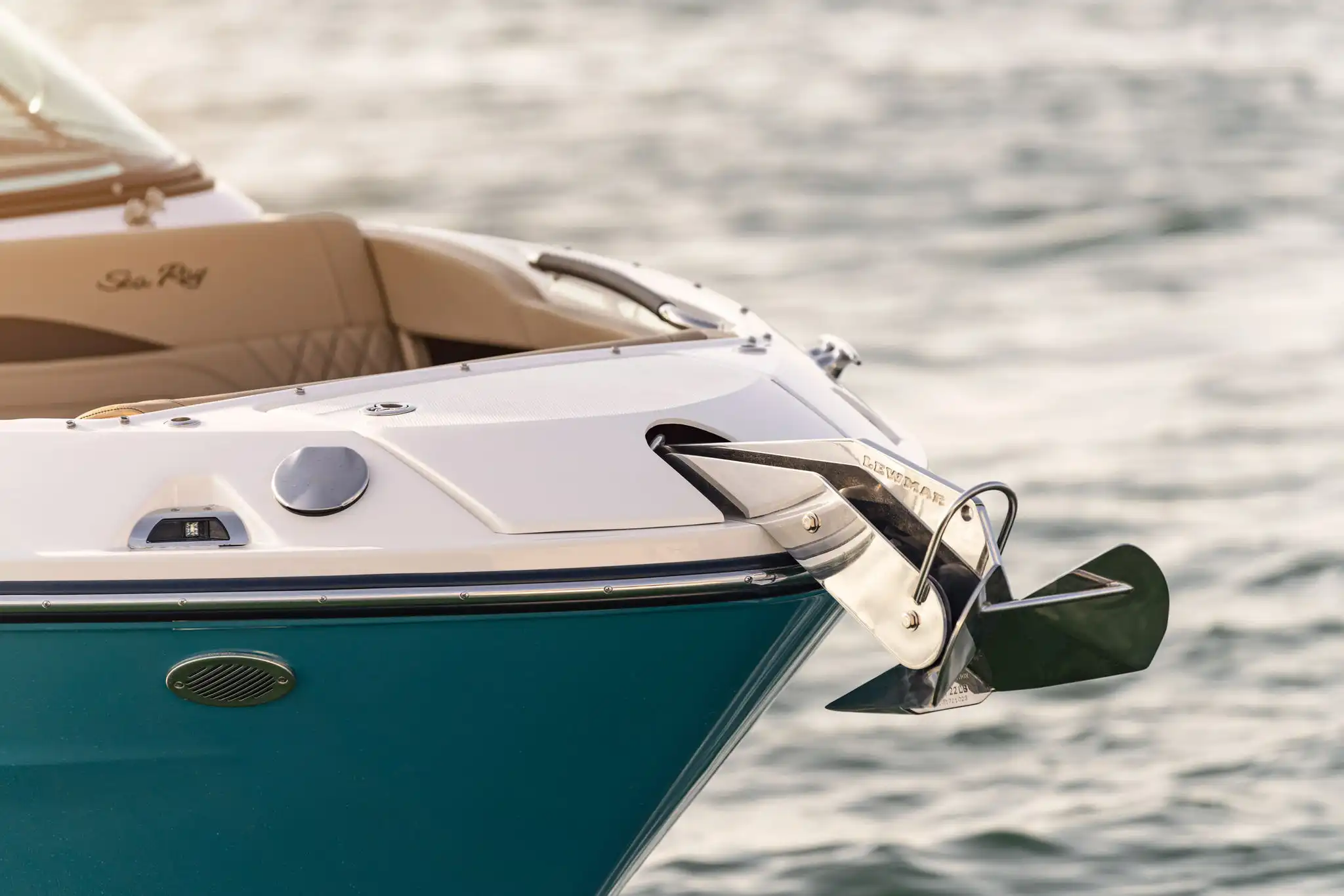
Anchoring is one of those routine boating tasks that can quickly become tiring when the equipment is not suited to the vessel. Manually handling an anchor, rope, and chain may be manageable on a small boat, but the process becomes more demanding as anchor weight, water depth, and boating frequency increase. An anchor winch can simplify deployment and retrieval while giving the operator greater control from the boat.
For boat owners considering an upgrade, choosing a Lone Star Marine winch or another suitable Marine anchoring system should involve more than simply finding a model capable of pulling an anchor. Boat size, anchoring conditions, available installation space, electrical requirements, and the complete ground tackle setup all deserve consideration.
Start With The Size And Type Of Boat
The vessel itself is one of the most important factors when selecting an anchor winch. A compact fishing boat does not have the same requirements as a larger recreational vessel, pontoon, or commercial boat.
Consider the boat’s length, weight, bow configuration, and typical use. A winch should provide enough capacity to manage the anchoring system comfortably without unnecessarily adding excessive equipment to the vessel. Matching the system to the boat also helps create a more practical installation.
Consider The Complete Anchoring Load
It is easy to focus only on the weight of the anchor, but the winch handles more than the anchor itself. Rope, chain, and other components contribute to the overall load, particularly when anchoring in deeper water.
Environmental forces can make retrieval more demanding as well. Current, wind, waves, and bottom conditions may increase resistance. Choosing equipment with appropriate capacity provides useful operating headroom rather than requiring the winch to work near its limits during every retrieval.
Think About Your Typical Anchoring Depth
Boaters who usually stop in relatively shallow water may have different requirements from those who regularly fish or cruise offshore. The amount of rope or line that the system needs to accommodate should therefore be considered before choosing a winch.
A drum-based system can provide convenient storage of the anchoring line while keeping it organised. However, drum capacity needs to match the amount and diameter of rope required for normal boating conditions.
Evaluate Available Installation Space
Even a powerful anchor winch will not be useful if it cannot be installed properly. Before purchasing, examine the bow or other intended mounting location carefully.
Consider the physical dimensions of the winch, access to mounting points, cable routing, anchor roller position, and movement of the rope or chain. The line should have a clear path during deployment and retrieval. Installation should also avoid interfering with hatches, storage compartments, navigation equipment, or normal movement around the boat.
Look At Electrical Requirements
Electric anchor winches depend on the boat’s electrical system, so power requirements should be reviewed carefully. The battery, wiring, circuit protection, switches, and connections need to be suitable for the chosen equipment.
Voltage drop can affect electrical equipment when wiring is undersized or cable runs are unnecessarily long. Marine-grade components and secure connections are particularly important because boating environments expose electrical systems to moisture, vibration, and corrosion. Professional installation may be worthwhile when the existing electrical setup needs modification.
Consider The Anchor And Ground Tackle
The winch is only one part of an effective anchoring arrangement. The anchor, rope, chain, roller, mounting hardware, and electrical controls all need to work together.
Anchor type should reflect the environments where the boat is commonly used. Different designs perform differently on sand, mud, rock, and mixed bottoms. Rope diameter and chain configuration also need to be compatible with the winch and expected anchoring conditions. Looking at the system as a whole can prevent compatibility problems later.
Prioritise Control And Everyday Convenience
Convenience is one of the biggest reasons boaters install electric anchor winches. Being able to deploy or retrieve an anchor from a convenient control point can reduce physical effort and make frequent repositioning easier.
Think about where the controls will be located and who normally operates the boat. A practical control arrangement should allow the operator to monitor the anchoring process and respond quickly when necessary.
This is especially beneficial for sailors who frequently anchor without an additional crew or anglers who frequently change their fishing locations throughout the day.
Account For The Marine Environment
Marine equipment operates in challenging conditions. Saltwater, spray, humidity, sunlight, and repeated exposure to changing weather can all affect components over time.
Construction quality, corrosion resistance, maintenance requirements, and accessibility for inspection should therefore be considered. Even equipment designed for marine use benefits from routine cleaning and inspection. Electrical connections, mounting hardware, rope, chain, and moving components should all be checked periodically.
Make The Decision Around Real Boating Needs
The most appropriate anchor winch is not necessarily the largest or most powerful option available. It is the system that matches the vessel, anchoring load, typical water depth, electrical setup, installation space, and normal boating activities.
Taking time to evaluate these factors before purchasing can lead to a more practical anchoring setup. A properly selected winch can reduce manual effort, keep ground tackle better organised, and make deploying and retrieving an anchor a smoother part of everyday boating.