
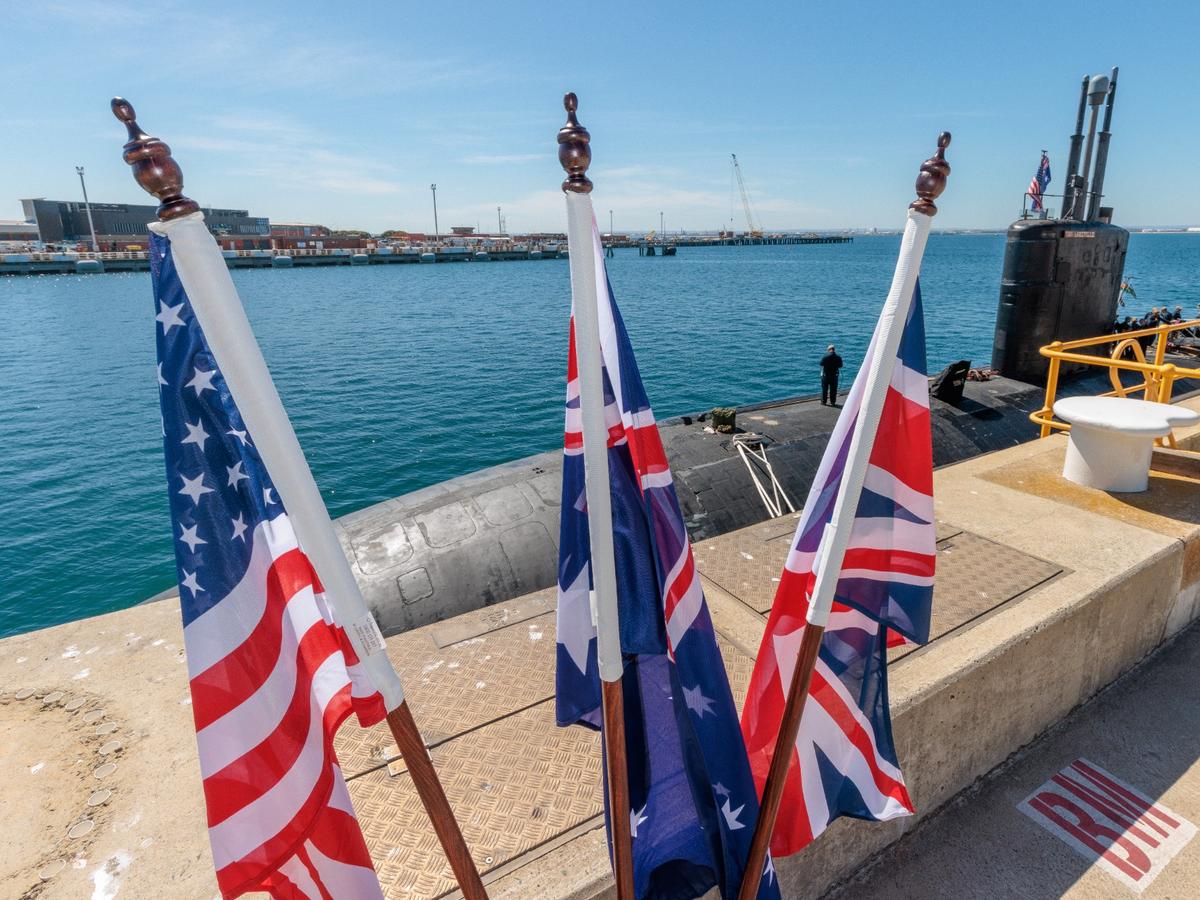
Australia is once again in the centre of international attention as tensions rise between major world powers in the Pacific region. At the heart of this latest global development is the AUKUS security partnership — a defence agreement between Australia, the United States and the United Kingdom — and its growing implications for relations with China. With recent diplomatic visits, military cooperation and strategic warnings, Canberra is navigating a complex foreign policy environment.
Experts say the issue will shape Australia’s global partnerships, its place in the Indo‑Pacific, and its national security strategy for years to come.
AUKUS Explained — Why It Matters
The AUKUS alliance was announced in 2021 as a long‑term pact to strengthen security and stability in the Indo‑Pacific. Under the agreement, the three countries commit to deeper cooperation across defence, technology and intelligence. One of the most significant elements is Australia’s plan to acquire nuclear‑powered submarines, supported by the United States and the UK.
This move is intended to enhance deterrence in the face of rising influence from China, whose growing military presence in the region has alarmed many governments. AUKUS has been described as a cornerstone of Western strategy in the Pacific, balancing power and protecting the interests of democracies across Asia and Oceania.
Rising Diplomatic Tensions with China
In recent weeks, diplomatic relations between Australia and China have shown signs of strain. Chinese government representatives have criticised the AUKUS partnership, claiming it is a destabilising force in the region. Beijing argues that such alliances escalate tensions and threaten peace rather than support it.
Australian political leaders have defended the pact, stating that AUKUS is not aimed at any single country but instead supports regional security, stability and cooperation. In public statements, ministers have emphasised that Australia seeks peaceful relations with all nations, including China, while also working with its partners to protect free trade and maritime security.
These words of reassurance come at a time when trade relationships and diplomatic exchanges between Canberra and Beijing remain sensitive. The two countries have experienced ups and downs in economic cooperation over the past decade, particularly since Australia’s decision to restrict Chinese tech giant Huawei from its 5G network in 2018.

High‑Level Visits Signal Geopolitical Shift
Recent high‑level diplomatic visits have further highlighted the shifting geopolitical landscape. Senior officials from the United States and the United Kingdom have travelled to Canberra for talks on defence, technology and economic ties, reinforcing commitments under AUKUS.
In response, China’s diplomats have engaged with Australian counterparts to discuss trade, regional stability and shared interests such as climate change. Analysts say that this dynamic reflects a careful balancing act — one in which Australia seeks to maintain strong relations with both Western partners and significant economic neighbours.
This balancing act became clearer during the Pacific Islands Forum, where Australian leaders sought to reassure smaller Pacific nations that security partnerships will support, not overshadow, regional sovereignty and development goals.
Submarine Deal Moves Forward
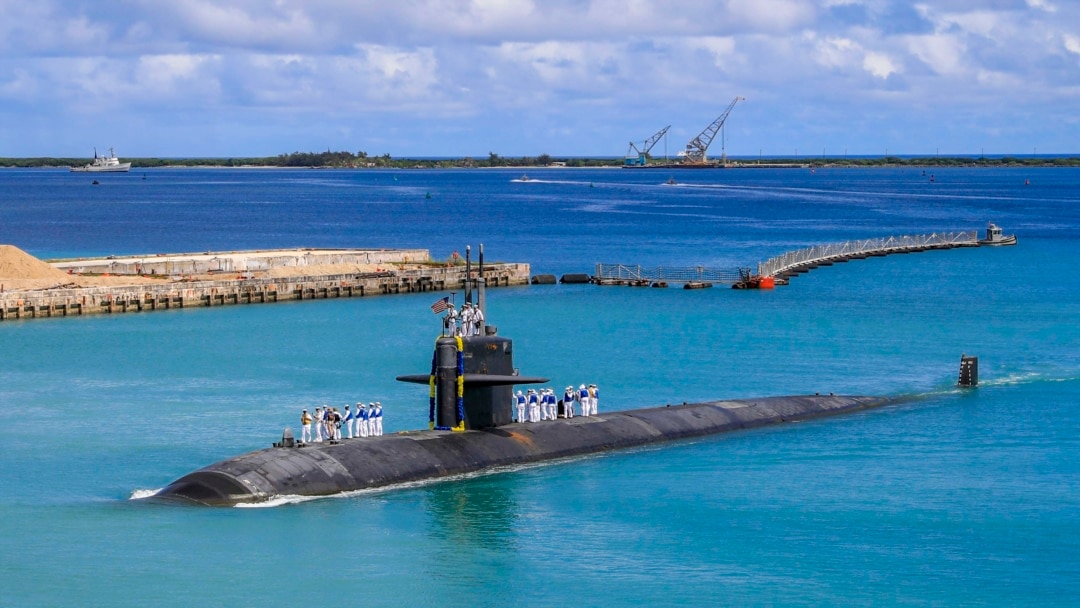
A major pillar of AUKUS is Australia’s acquisition of nuclear‑powered submarines. Canberra has confirmed that it is on track to receive the first of these vessels in the early 2030s. These submarines are expected to significantly enhance Australia’s naval capability, allowing longer range, greater endurance and advanced technology compared with conventional vessels.
The submarine deal has received mixed reactions domestically and internationally. Supporters argue that it strengthens Australia’s security, boosts defence industry jobs and deepens technological cooperation with allies. Critics, however, warn about cost blowouts, environmental concerns and the risk of provoking further tensions with China.
Defence experts say that nuclear‑powered submarines could act as a deterrent and provide greater strategic flexibility in the Indo‑Pacific. They point out that while these submarines are not nuclear‑armed, their propulsion systems allow them to stay submerged for longer periods, enhancing stealth and endurance.
Pacific Nations Watch Closely
Australia’s neighbours in the Pacific are closely monitoring developments. Island states such as Fiji, Tonga and Papua New Guinea have voiced interest in regional security, climate change support and economic cooperation.
Pacific leaders have stressed the importance of non‑military forms of support, such as climate adaptation funding, education and infrastructure development. This emphasis reflects local priorities — particularly as many island nations face rising sea levels and extreme weather events linked to climate change.
Australian officials have responded by stating that security cooperation and economic support can go hand in hand. Canberra continues to fund various regional initiatives while also strengthening defence partnerships.
What This Means for Australians
These world affairs have real consequences for Australians at home. AUKUS will shape national defence spending, technology partnerships and job opportunities in the defence industry. It may also influence Australia’s trade policies and diplomatic relationships across Asia and beyond.
For many Australians, the evolving geopolitical picture raises questions about national identity, security priorities and the nation’s role on the world stage. As international tensions evolve, governments, businesses and families are watching closely.
Experts advise that maintaining open dialogue, pursuing diplomatic engagement and supporting regional cooperation will be key as Australia navigates this complex era of global politics.
The Road Ahead
As 2026 progresses, AUKUS and Australia’s relationship with China will remain central topics in both domestic and world news. Whether through strategic partnerships, high‑level diplomacy or Pacific cooperation, Canberra’s decisions in the coming months will send important signals about Australia’s place in an increasingly contested Indo‑Pacific region.
For readers who want to understand how global politics affects the daily lives of Australians, staying updated on developments in AUKUS, trade relations and regional diplomacy will be essential in the months ahead.