
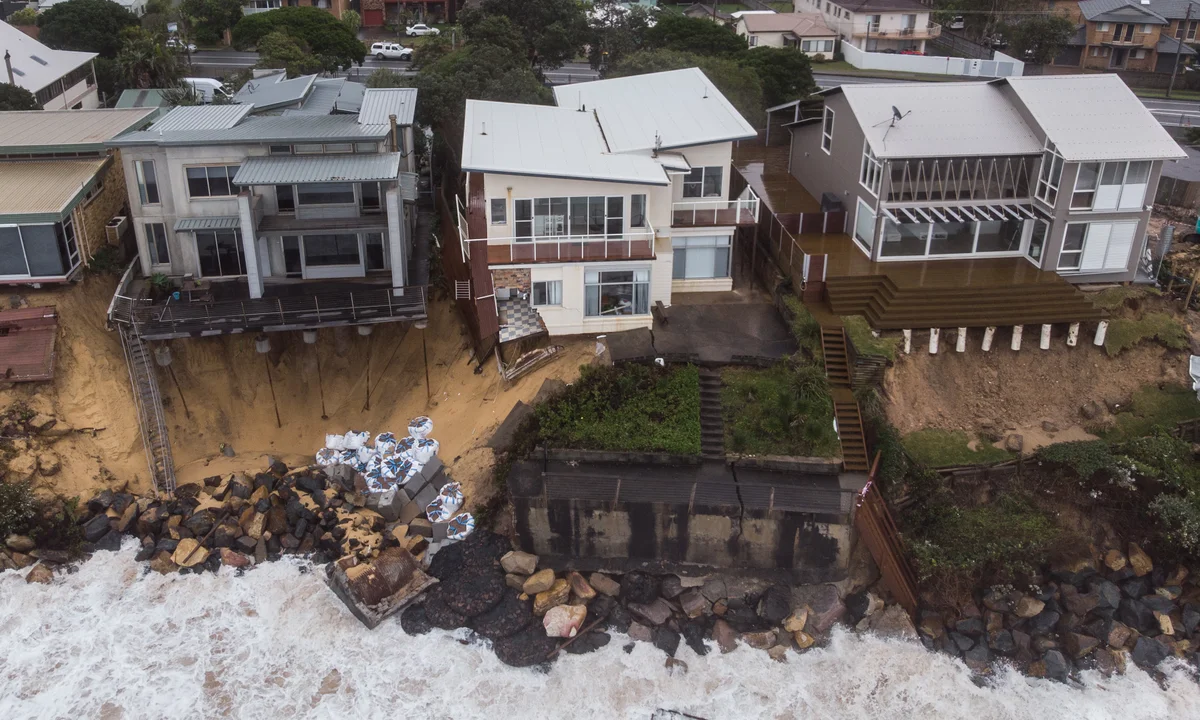
Australia’s environment is once again under pressure as extreme weather events continue to affect communities across the country. From heatwaves and bushfire risks to floods and coastal erosion, experts say climate change is having a clear impact on everyday life.
Government agencies, scientists and local councils are now calling for stronger action to protect both people and the natural environment.
🌡️ Record Heat and Bushfire Warnings Raise Concerns
Several parts of Australia have experienced above-average temperatures this summer. States including New South Wales, Victoria and Western Australia have reported heatwaves that lasted longer than usual.
Fire authorities have also issued early bushfire warnings, especially in regional and rural areas. Dry conditions and strong winds have increased the risk of fires, even outside traditional bushfire seasons.
Environmental experts warn that hotter and drier conditions are becoming more common due to climate change, making fire seasons longer and more dangerous.
🌧️ Flood-Prone Areas Brace for Heavy Rain
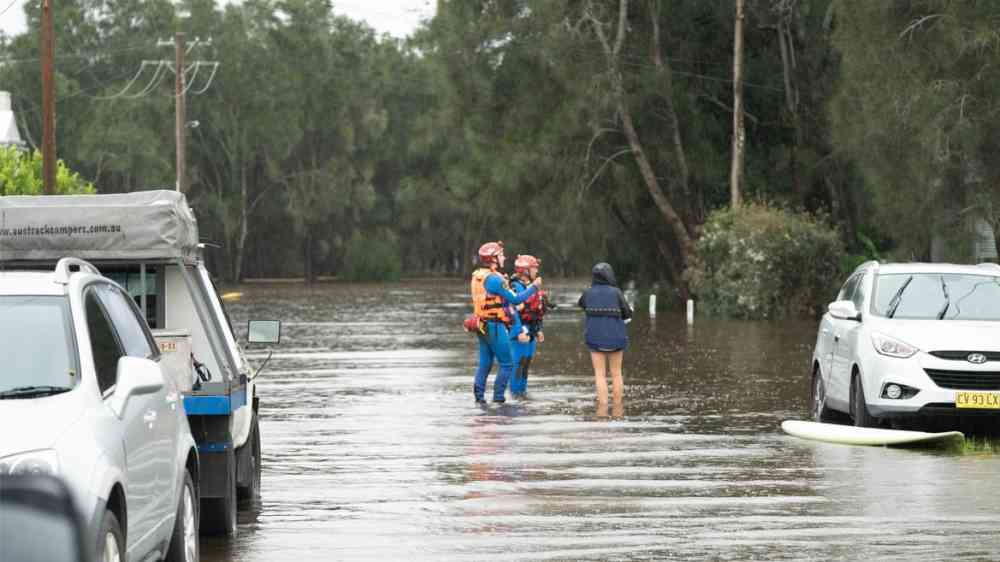
While some regions face dry conditions, others are dealing with intense rainfall and flooding. Parts of Queensland and northern New South Wales have already seen flash flooding, damaging roads, homes and farmland.
Emergency services say changing weather patterns are making floods harder to predict. Communities near rivers and low-lying areas are being urged to stay alert and prepare early.

🐨 Wildlife and Ecosystems Under Threat
Australia’s unique wildlife is also feeling the effects of environmental change. Rising temperatures and habitat loss are placing stress on native animals such as koalas, kangaroos and bird species.
Marine experts report ongoing damage to coral reefs, including the Great Barrier Reef, caused by warmer ocean temperatures. Coral bleaching events are becoming more frequent, raising concerns about long-term reef health.
Conservation groups are pushing for stronger protection laws and increased funding for wildlife rescue and habitat restoration.
🌱 Push for Renewable Energy and Green Solutions
On a positive note, Australia continues to expand its renewable energy projects. Solar and wind power investments are growing, with several large-scale projects underway across regional areas.
The federal government has reaffirmed its commitment to reducing carbon emissions, while businesses are increasingly adopting cleaner energy and sustainability goals.
Environmental groups say these steps are important, but more needs to be done to meet climate targets and protect future generations.
🌏 Community Action Makes a Difference
Across the country, local communities are taking action. From beach clean-ups and tree-planting programs to water-saving initiatives, Australians are playing their part in caring for the environment.
Schools and local councils are also focusing on environmental education to help young people understand climate challenges and solutions.
📌 What This Means for Australia
- Extreme weather events are becoming more frequent
- Wildlife and natural habitats face ongoing risks
- Renewable energy is growing but challenges remain
- Community action continues to play a key role
Experts agree that strong policy, public awareness and long-term planning will be essential to protect Australia’s environment in the years ahead.
❓FAQs – Australia and the Environment
Q1: Why is Australia experiencing more extreme weather?
Climate change is increasing temperatures and changing rainfall patterns, leading to heatwaves, fires and floods.
Q2: Is the Great Barrier Reef still at risk?
Yes. Warmer ocean temperatures continue to cause coral bleaching and damage.
Q3: What is Australia doing to reduce emissions?
Australia is expanding renewable energy projects and setting emissions reduction targets.
Q4: How can individuals help the environment?
Simple actions like saving energy, reducing waste, recycling and supporting local conservation efforts can help.
Q5: Are bushfires becoming more common?
Experts say fire seasons are becoming longer and more intense due to hotter and drier conditions.