
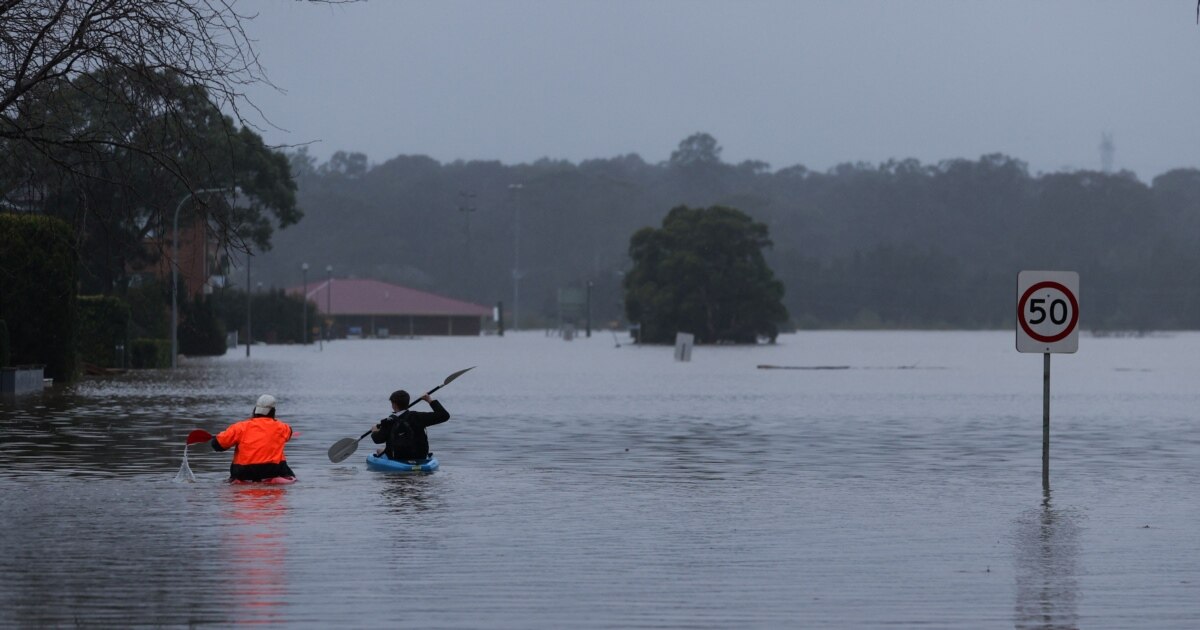
Australia is facing a future shaped by climate change, according to a major new scientific report released this week. The findings show that rising temperatures, changing rainfall patterns and increased extreme weather events are already affecting communities, ecosystems and industries across the nation.
Scientists say the time to act is now. The report highlights both current impacts and future risks, offering a roadmap for policymakers, businesses and everyday Australians. It also shows how scientific research can help countries adapt to the changing climate — but warns that delays in action could make effects worse.
What the New Climate Report Found
The latest report comes from leading climate scientists working with government agencies and independent research institutions. It shows that Australia is now warming faster than the global average. Over the past decade, average temperatures in many parts of the country have climbed steadily.
Scientists identified a number of key trends, including longer and hotter heatwaves in southern and inland regions. Many towns and cities have broken temperature records in recent years, putting extra pressure on health services, infrastructure and energy systems.
The report also highlights changes in rainfall patterns. Some coastal regions are seeing heavier, more intense rainfall events, while others are experiencing longer dry periods. These shifts increase the risk of both floods and droughts — sometimes in the same year.
Sea Level Rise and Ocean Health
Australia’s long coastline is one of its greatest strengths — but it also faces major challenges. The climate report shows that sea levels around Australia have risen more rapidly than the global average. Rising seas can lead to coastal erosion, flooding of low‑lying areas and damage to critical infrastructure such as roads, bridges and homes.
The report also warns that warmer ocean temperatures are harming marine ecosystems, including the Great Barrier Reef. Coral bleaching events — where corals lose the algae that give them colour and nutrients — are happening more often. Scientists say that these events weaken the reef and reduce its ability to recover.
Impacts on Agriculture and Water Supplies
Australia’s farmers are already feeling the effects of climate change. The report notes that shifts in temperature and rainfall are altering growing seasons and crop yields. Many regions now face increased risk of drought, while others risk more frequent flooding events that damage crops and farmland.
Water supplies are another concern. Reduced rainfall in some catchment areas has put pressure on freshwater sources used for drinking water, irrigation and industry. This has led some communities to introduce water restrictions during dry months, affecting households and local businesses.

Human Health and Extreme Weather
The science report emphasises how climate change affects human health. Heatwaves are now a leading cause of climate‑related deaths in Australia, especially among older adults and people with chronic health conditions. High temperatures also increase the risk of heatstroke, dehydration and respiratory problems.
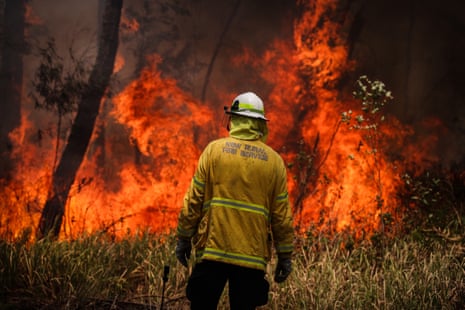
At the same time, extreme weather events such as bushfires, storms and floods have serious health consequences. Emergency services report that more frequent extreme weather is placing extra strain on hospitals, ambulance services and mental health resources.
What the Scientists are Calling For
The authors of the report stress that immediate action is critical if Australia is to reduce future climate risks. They call on governments and industry leaders to invest in renewable energy, strengthen infrastructure, protect ecosystems and reduce greenhouse gas emissions.
Scientists also urge increased funding for climate research and community education. Better understanding of local climate impacts can help communities prepare and adapt. For example, improved weather forecasting systems can help farmers plan planting and harvesting, while stronger flood‑early warning systems can save lives.
Australia’s Response So Far
In response to the new report, government officials said they are listening to scientists and adjusting policy where possible. Federal and state leaders have pointed to recent investments in renewable energy projects, such as wind and solar farms, as evidence of progress.
Some local councils are also taking action by upgrading infrastructure to withstand floods and heatwaves. Community groups have launched initiatives to plant trees, reduce waste and protect local wildlife.
However, many climate advocates say more must be done. They argue that the pace of change is too slow, and that stronger commitments are needed to meet international climate goals.
What This Means for Australians
For everyday Australians, the report makes one thing clear: climate change is no longer a distant problem. It is affecting people now, and its effects are expected to increase unless action is taken.
Urban residents may see longer periods of hot weather and higher electricity bills as demand for cooling rises. Regional communities could face challenges with water supplies and farming. Coastal towns may have to rethink planning and construction as sea levels rise.
Experts say that informed communities and resilient planning can reduce many risks. Knowing what to expect — and preparing for it — will help families, businesses and local governments adapt to changing conditions.
How You Can Stay Informed
Keeping up with science news helps Australians understand how climate change affects daily life. Local councils, university research centres and national science agencies often share updates and resources.
Simple steps like conserving water, using energy wisely and supporting sustainable businesses can also make a difference. When communities act together, even small changes can have a positive impact.