
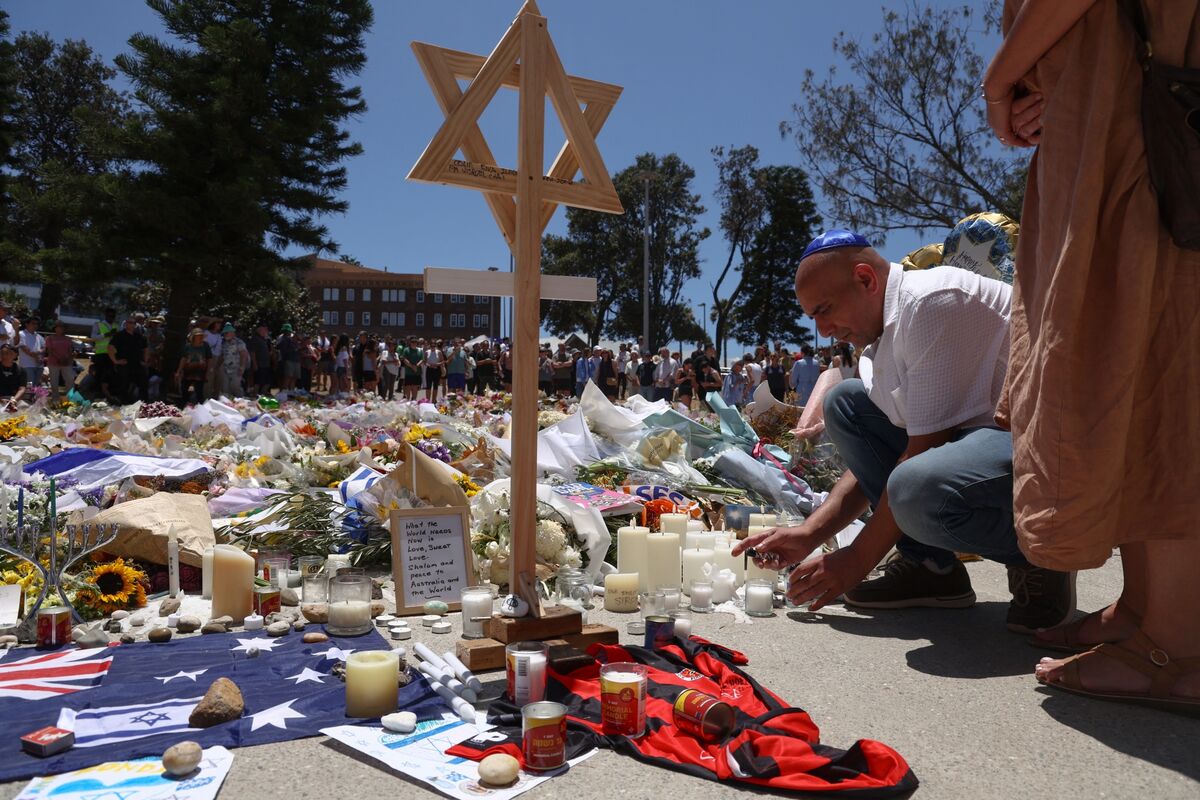
Australia’s Parliament is in the spotlight this week as political leaders debate proposed hate speech and extremism laws. The issue has sparked strong reactions from all sides of politics, community groups and faith leaders. It has also revealed growing tensions between the federal government and opposition parties over how to respond to rising incidents of hatred and violence following the tragic terror attack in Bondi last year.
Government Proposes New Legislation After Bondi Attack
The federal Labor government has introduced a new bill called the Combatting Antisemitism, Hate and Extremism Bill 2026. This legislation is designed to strengthen laws against hate speech and make it easier to target extremist conduct. The initiative follows the Royal Commission on Antisemitism and Social Cohesion, established in January to review hate-related issues and social harmony in Australia.
Prime Minister Anthony Albanese and senior ministers say the proposed laws are necessary to protect communities and make the legal system more effective at preventing hate and violence. They point to rising concerns about racially motivated attacks and extremist activity that have affected Australian society since the Bondi terror attack in December 2025 — one of the deadliest events in recent history.

Opposition and Other Parties Criticise the Bill
The government’s proposal has not found unanimous support in Parliament. The Coalition opposition, led by Sussan Ley, has criticised the bill, calling it poorly drafted and rushed. Some Coalition members say the government did not consult widely enough before introducing such broad changes, and warn that parts of the legislation could undermine freedom of speech.
Even some Greens MPs have expressed concerns. While they generally support stronger protections against hate speech, they argue that the current bill does not go far enough in protecting civil liberties and may have unintended consequences if passed without careful review.
Faith Leaders Join the Debate
In a rare cross-community appeal, more than two dozen faith leaders — including Christian and Muslim figures — wrote to the Prime Minister urging him not to rush the legislation. These leaders said that sections of the bill could unintentionally limit religious freedom and create confusion about what is considered acceptable teaching versus unlawful conduct.
Supporters of the bill have responded by stressing that protections for religious practice remain important, but that hate and violence must also be tackled through clear laws. They argue that the bill includes safeguards for legitimate religious expression alongside stronger penalties for serious hate conduct.
Public Opinion and Polling
Recent polling suggests that many Australians want the government to focus first on combating extremist ideology and hate-motivated violence, rather than moving quickly to reform gun laws or other areas of legislation. In Queensland, for example, a new survey found that the majority of respondents see tackling radicalisation and extremism as a more pressing priority than stricter weapons controls.
This public sentiment highlights how political leaders must balance community safety concerns with civil liberties and democratic debate. It also reveals growing unease among many voters about social division and the best ways to achieve unity without over-policing free speech.

What Comes Next in Canberra
At the centre of the debate is an upcoming parliamentary sitting that has been described as an “emergency session,” with the government hoping to push the bill through both houses. However, some critics — including Pauline Hanson of One Nation — have called on the Prime Minister to cancel the session, saying it is unlikely to succeed and will cost taxpayers millions.
Meanwhile, political tensions are rising. Labor ministers, including Foreign Minister Penny Wong, have publicly criticised Sussan Ley’s leadership over the handling of the bill, calling it “unsalvageable” and accusing the opposition of putting party politics above national safety.
A Turning Point in Australian Politics
The debate over hate speech and extremism laws is one of the biggest political storylines in Australia right now. It touches on free speech, religious freedoms, social cohesion and how best to protect citizens from harm. As Australia prepares for key elections and ongoing policy discussions, how Parliament handles this bill could shape national political dynamics well into 2026.